Home Blog Page 11

Nursing Ethics And Jurisprudence

OBJECTIVES QUESTIONS 2022


1. ________________deals with human behaviour which is concern with what is the least of such behavior that can be accepted by society.

A) Ethics

B) Law

C) Jurisprudence

D) Equity

ANSWER: B

2. ________________is the philosophy of the law, which can include ethical discussions, societal and political views, and the historical context of law.

A) Ethics

B) Law

C) Jurisprudence

D) Equity

    ANSWER: C

3. ___________ refer to the official power to make legal decisions and judgement

A) Authority

B) Contract

C) Jurisprudence

D) Jurisdiction

ANSWER: D

4. Nurses have legal responsibilities common to all members of the community, and also the responsibilities imposed by the nature of their work, which may be defined as responsibilities in respect of:

A) The provision of safe effective nursing care

B) The health of the community

C) The employing authority

D) All of the above.

ANSWER: D

5. ______________ is the branch of law that deals with rules of behaviour which oversee our conduct in the society in terms of our relationship with others and their property

A) Criminal law

B) Civil law

C) Law of Tort

D) Contract law

Answer: A

6. The individual that institute a civil litigation is called _____________

A) Defendant

B) Tort

C) Plaintiff

D) Damage

ANSWER: C

7. The person being sued in a Civil Litigation is the ____________

A) Defendant

B) Tort

C) Plaintiff

D) Damage

ANSWER: A 

8. When the type of civil litigation involves an injury, the injury action is called__________

A) Defendant

B) Tort

C) Plaintiff

D) Damage

ANSWER: B

9. The goal of civil law is to compensate the plaintiff. The compensation is referred to as ________________

A) Defendant

B) Tort

C) Plaintiff

D) Damage

ANSWER: D 

10. _________________in a legal sense, describes conduct that falls below the standard required by law

A) Negligence

B) Tort

C) Defamation

D) Vicarious liability

ANSWER: A

11. A plaintiff must prove the following elements to succeed in an action for negligence

A) That the defendant owed the plaintiff a duty of care

B) That this duty of care was breached by failure to conform to the appropriate standard of care

C) That the plaintiff suffered injury as a result of the breach of duty.

D) All of the above

     ANSWER: D

12. Failure to follow standards of care, which could result in malpractice includes the following EXCEPT  

A) Failure to perform a complete admission assessment or design a plan of care 

B) Failure to adhere to standardized protocols or institutional policies and procedures 

(e.g. using an improper injection site)

C) Input and output monitoring

D) Failure to follow medical officer’s verbal or written orders 

ANSWER: C

13. Failure to use equipment in a responsible manner can result in a malpractice suite case against a nurse

A) TRUE

B) FALSE

ANSWER: A

14. ____________ is an intentional threat or an attempted intentional threat to injure or bring about harmful or offensive contact with another individual e.g., threatening to force a patient to take his medication or restraining a patient in order to give an injection. 

A) Battery

B) Assault

C) Breach

D) Misconduct

ANSWER: B

15. Battery – an intentional touching of another person without consent, with or without injury e.g., dressing of patient wound without consent.

         A) Battery

C) Assault

D) Breach

E) Misconduct

ANSWER: A


16. ___________ is the study of ethical dilemma in healthcare. 

A) Law

B) Ethics

C) Bioethics

D) Jurisprudence

ANSWER: C

17. _____________ is breaking the law, an obligation, or the terms of a contract. 

A) Misdemeanour

B) Breach

C) Prosecute

D) Assault

ANSWER: B

18. ___________ is a branch of law that defines the legal relationships between individuals. 

A) Criminal law

B) Civil law

C) Family law

D) Contract law

ANSWER: B

19. _______________ is making a person stay in a place against his/her wishes e.g., isolating a patient in a ward without seeking consent.

A) Felony

B) Manslaughter

C) Fraud

D) False imprisonment 

ANSWER: D

20. ___________ is a serious crime; a crime punishable by a term of imprisonment. 

A) Felony

B) Manslaughter

C) Fraud

D) False imprisonment

ANSWER: A

21. Values can be expressed through the following except

a. Feelings​

b. Behaviors​

c. Ambitions​

d. Decisions

ANSWER: C

22. The following are examples of values except

a. Integrity​

b.   Sentiments​

c. Privacy​

d. Family

ANSWER: B


23. Which of the following is not an approach to values education

a. Health education

b. Moral development​

c. Action learning

d. Values clarification

ANSWER: A


24. In the process of clarifying values the following stages are considered except

a. Prizing​

b. Analyzing​

c. Choosing​

d. Acting

ANSWER: B


25. ………………………………refers to the set of standards that enable people live cooperatively in groups


ANSWER: Ethics


26. ………………………………has been spoken of as minor morals

ANSWER: Etiquette


27. ……………………………..is not an ethical quality

a. Devotion​

b. Justice​

c. Agitation

d. Altruism

ANSWER: C


28. …………………………….is an  accepted code of behavior and a way of behaving politely in social settings

ANSWER: Morality


29. The following are fundamental responsibilities of Nurses under code of ethics except

a. To promote health

b. To promote illness

c. To restore health

d. To alleviate suffering

ANSWER: B

30. Which of the following is not an ethical principle

a. Autonomy

b. Justice​

c. Beneficence​

d. Non-beneficence

      ANSWER: D


31. Who can best provide consent among the following

a. A minor​

b. Unconscious person​

c. A guardian

d. Mentally ill

ANSWER: C


32. The following are types of work related attitudes except

a. Job satisfaction​

b. Commitment to organization​

c. Involvement in the job​

d. Avoiding conflict

ANSWER: D

33. ………………………is a problem in the decision-making process between two possible options neither of which is absolutely acceptable 

ANSWER: Ethical Dilemma


34. The word ethics is derived from the Greek word ……………………………..

ANSWER: Ethos


35. …………………………………..is the differentiation of intentions and decisions between actions that are proper and improper.

ANSWER: Morality

GST 126 NURSING ETHICS AND JURISPRUDENCE MCQ 2023

1. The best explanation of what Title VI of the Civil Rights Act mandates is the freedom to:

A)  Pick any physician and insurance company despite one’s income

B) Receive free medical benefits as needed within the county of residence

C) Have equal access to all health care regardless of race and religion

D) Have basic care with a sliding scale payment plan from all health care facilities

ANSWER: C

2. Which statement would best explain the role of the nurse when planning care for a culturally diverse population? The nurse will plan care to:

A) Include care that is culturally congruent with the staff from predetermined criteria

B) Focus only on the needs of the client, ignoring the nurse’s beliefs and practices

C) Blend the values of the nurse that are for the good of the client and minimize the client’s individual values and beliefs during care

D) Provide care while aware of one’s own bias, focusing on the client’s individual needs rather than the staff’s practices

ANSWER:  D

3. Which factor is least significant during assessment when gathering information about cultural practices?

A) Language, timing

B) Touch, eye contact

C) Biocultural needs

D) Pain perception, management expectations

ANSWER:  C

4. Transcultural nursing implies:

A) Using a comparative study of cultures to understand similarities and differences across human groups to provide specific individualized care that is culturally appropriate

B) Working in another culture to practice nursing within their limitations

C) Combining all cultural beliefs into a practice that is a nonthreatening approach to minimize cultural barriers for all clients’ equality of care

D) Ignoring all cultural differences to provide the best generalized care to all clients.

ANSWER:  A

5. What should the nurse do when planning nursing care for a client with a different cultural background? The nurse should:

A) Allow the family to provide care during the hospital stay so no rituals or customs are broken

B) Identify how these cultural variables affect the health problem

C) Speak slowly and show pictures to make sure the client always understands

D) Explain how the client must adapt to hospital routines to be effectively cared for while in the hospital

ANSWER:  B

6. Which activity would not be expected by the nurse to meet the cultural needs of the client?

A) Promote and support attitudes, behaviors, knowledge, and skills to respectfully meet client’s cultural needs despite the nurse’s own beliefs and practices

B) Ensure that the interpreter understands not only the language of the client but feelings and attitudes behind cultural practices to make sure an ethical balance can be achieved

C) Develop structure and process for meeting cultural needs on a regular basis and means to avoid overlooking these needs with clients

D) Expect the family to keep an interpreter present at all times to assist in meeting the communication needs all day and night while hospitalized

ANSWER: D

7. Ethical principles for professional nursing practice in a clinical setting are guided by the principles of conduct that are written as the:

A) American Nurses Association’s (ANA’s) Code of Ethics

B) Nurse Practice Act (NPA) written by state legislation

C) Standards of care from experts in the practice field

D) Good Samaritan laws for civil guidelines

ANSWER: A

8. A bioethical issue should be described as:

A) The physician’s making all decisions of client management without getting input from the client

B) A research project that included treating all the white men and not treating all the black men to compare the outcomes of a specific drug therapy.

C) The withholding of food and treatment at the request of the client in a written advance directive given before a client acquired permanent brain damage from an accident.

D) After the client gives permission, the physician’s disclosing all information to the family for their support in the management of the client.

ANSWER:  B

9. When the nurse described the client as “that nasty old man in 354,” the nurse is exhibiting which ethical dilemma?

A) Gender bias and ageism

B) HIPPA violation

C) Beneficence

D) Code of ethics violation

ANSWER: A

10. The distribution of nurses to areas of “most need” in the time of a nursing shortage is an example of:

A) Utilitarianism theory

B) Deontological theory

C) Justice

D) Beneficence

ANSWER: C

11. Nurses are bound by a variety of laws. Which description of a type of law is correct?

A) Statutory law is created by elected legislature, such as the state legislature that defines the Nurse Practice Act (NPA).

B) Regulatory law includes prevention of harm for the public and punishment for those laws that are broken.

C) Common law protects the rights of the individual within society for fair and equal treatment.

D) Criminal law creates boards that pass rules and regulations to control society.

ANSWER:  A

12. Besides the Joint Commission on Accreditation of Healthcare Organizations (JACHO), which governing agency regulates hospitals to allow continued safe services to be provided, funding to be received from the government and penalties if guidelines are not followed?

A) Board of Nursing Examiners (BNE)

B) Nurse Practice Act (NPA)

C) American Nurses Association (ANA)

D) Americans With Disabilities Act (ADA)

ANSWER: D

13. When a client is confused, left alone with the side rails down, and the bed in a high position, the client falls and breaks a hip. What law has been broken?

A) Assault

B) Battery

C) Negligence

D) Civil tort

ANSWER:  C

14. When signing a form as a witness, your signature shows that the client:

A) Is fully informed and is aware of all consequences.

B) Was awake and fully alert and not medicated with narcotics.

C) Was free to sign without pressure

D) Has signed that form and the witness saw it being done

ANSWER:  D

15. Which criterion is needed for someone to give consent to a procedure?

A) An appointed guardianship

B) Unemancipated minor

C) Minimum of 21 years or older

D) An advocate for a child

ANSWER: A

16. Which statement is correct?

A) Consent for medical treatment can be given by a minor with a sexually transmitted disease (STD).

B) A second trimester abortion can be given without state involvement.

C) Student nurses cannot be sued for malpractice while in a nursing clinical class.

D) Nurses who get sick and leave during a shift are not abandoning clients if they call their supervisor and leave a message about their emergency illness.

ANSWER:  A

17. Most litigation in the hospital comes from the:

B) Nurse abandoning the clients when going to lunch

C) Nurse following an order that is incomplete or incorrect

D) Nurse documenting blame on the physician when a mistake is made

D) Supervisor watching a new employee check his or her skills level

ANSWER:  B

18. The nurse places an aquathermia pad on a client with a muscle sprain. The nurse informs the client the pad should be removed in 30 minutes. Why will the nurse return in 30 minutes to remove the pad?

A) Reflex vasoconstriction occurs.

B) Reflex vasodilation occurs.

C) Systemic response occurs.

D) Local response occurs.

ANSWER:  A

19. A client has recently been told he has terminal cancer. As the nurse enters the room, he yells, “My eggs are cold, and I’m tired of having my sleep interrupted by noisy nurses!” The nurse may interpret the client’s behavior as:

A) An expression of the anger stage of dying

B) An expression of disenfranchised grief

C) The result of maturational loss

D) The result of previous losses

ANSWER:  A

20. When helping a person through grief work, the nurse knows:

A) Coping mechanisms that were effective in the past are often disregarded in response to the pain of a loss

B) A person’s perception of a loss has little to do with the grieving process.

C) The sequencing of stages of grief may occur in order, they may be skipped, or they may recur.

D) Most clients want to be left alone.

ANSWER: C

21. A client is hospitalized in the end stage of terminal cancer. His family members are sitting at his bedside. What can the nurse do to best aid the family at this time?

A) Limit the time visitors may stay so they do not become overwhelmed by the situation.

B) Avoid telling family members about the client’s actual condition so they will not lose hope.

C) Discourage spiritual practices because this will have little connection to the client at this time.

D) Find simple and appropriate care activities for the family to perform.

ANSWER: D

22. When caring for a terminally ill client, it is important for the nurse maintain the client’s dignity. This can be facilitated by:

A) Spending time to let clients share their life experiences

B) Decreasing emphasis on attending to the clients’ appearance because it only increases their fatigue

C) Making decisions for clients so they do not have to make them

D) Placing the client in a private room to provide privacy at all times

ANSWER: A

23. What are the stages of dying according to Elizabeth Kubler-Ross?

A) Numbing; yearning and searching; disorganization and despair; and reorganization.

B) Accepting the reality of loss, working through the pain of grief, adjusting to the environment without the deceased, and emotionally relocating the deceased and moving on with life.

C) Anticipatory grief, perceived loss, actual loss, and renewal.

D) Denial, anger, bargaining, depression, and acceptance.

ANSWER: D

24. Bereavement may be defined as:

A) The emotional response to loss.

B) The outward, social expression of loss.

C) Postponing the awareness of the reality of the loss.

D) The inner feeling and outward reactions of the survivor.

ANSWER: D

25. A client who had a “Do Not Resuscitate” order passed away. After verifying there is no pulse or respirations, the nurse should next:

A) Have family members say goodbye to the deceased.

B) Call the transplant team to retrieve vital organs.

C) Remove all tubes and equipment (unless organ donation is to take place), clean the body, and position appropriately.

D) Call the funeral director to come and get the body.

ANSWER: C

26. A client’s family member says to the nurse, “The doctor said he will provide palliative care. What does that mean?” The nurse’s best response is:

A) “Palliative care is given to those who have less than 6 months to live.”

B) “Palliative care aims to relieve or reduce the symptoms of a disease.”

C) “The goal of palliative care is to affect a cure of a serious illness or disease.”

D) “Palliative care means the client and family take a more passive role and the doctor focuses on the physiological needs of the client. The location of death will most likely occur in the hospital setting.”

ANSWER: B

27. Which of the following is not included in evaluating the degree of heritage consistency in a client?

A) Gender

B) Culture

C) Ethnicity

D) Religion

ANSWER: A

28. When providing care to clients with varied cultural backgrounds, it is imperative for the nurse to recognize that:

A) Cultural considerations must be put aside if basic needs are in jeopardy.

B) Generalizations about the behavior of a particular group may be inaccurate.

C) Current health standards should determine the acceptability of cultural practices.

D) Similar reactions to stress will occur when individuals have the same cultural background.

ANSWER: B

29. To respect a client’s personal space and territoriality, the nurse:

A) Avoids the use of touch

B) Explains nursing care and procedures

C) Keeps the curtains pulled around the clients bed

D) Stands 8 feet away from the bed, if possible.

ANSWER:  B

30. To be effective in meeting various ethnic needs, the nurse should:

A) Treat all clients alike.

B) Be aware of clients’ cultural differences.

C) Act as if he or she is comfortable with the client’s behavior.

D) Avoid asking questions about the client’s cultural background.

ANSWER: B

31. The most important factor in providing nursing care to clients in a specific ethnic group is:

A) Communication

B) Time orientation

C) Biological variation

D) Environmental control

ANSWER: A

32. A health care issue often becomes an ethical dilemma because:

A) A client’s legal right coexists with a health professional’s obligation.

B) Decisions must be made quickly, often under stressful conditions.

C) Decisions must be made based on value systems.

D) The choices involved do not appear to be clearly right or wrong.

ANSWER:  D

33. A document that lists the medical treatment a person chooses to refuse if unable to make decisions is the:

A) Durable power of attorney

B) Informed consent

C) Living will

D) Advance directives

ANSWER: D

34. Which statement about an institutional ethics committee is correct?

A) The ethics committee is an additional resource for clients and health care professionals.

B) The ethics committee relieves health care professionals from dealing with ethical issues.

C) The ethics committee would be the first option in addressing an ethical dilemma.

D) The ethics committee replaces decision making by the client and health care providers.

ANSWER: A

35. The nurse is working with parents of a seriously ill newborn. Surgery has been proposed for the infant, but the chances of success are unclear. In helping the parents resolve this ethical conflict, the nurse knows that the first step is:

A) Exploring reasonable courses of action

B) Collecting all available information about the situation

C) Clarifying values related to the cause of the dilemma.

D) Identifying people who can solve the difficulty.

ANSWER: B

36. Miss Mary, an 88-year old woman, believes that life should not be prolonged when hope is gone. She has decided that she does not want extraordinary measures taken when her life is at its end. Because she feels this way, she has talked with her daughter about her desires, completing a living will and left directions with her physician. This is an example of:

A) Affirming a value

B) Choosing a value

C) Prizing a value

D) Reflecting a value

ANSWER: C

37. The scope of nursing practice is legally defined by:

A) State nurses practice acts

B) Professional nursing organizations

C) Hospital policy and procedure manuals

D) Physicians in the employing institutions

ANSWER: A

38. A student nurse who is employed as a nursing assistant may perform any functions that:

A) Have been learned about in school

B) re expected of a nurse at that level

C) Are identified in the positions job description

D) Require technical rather than professional skill.

ANSWER: C

39. A confused client who fell out of bed because side rails were not used is an example of which type of liability?

A) Felony

B) Assault

C) Battery

D) Negligence

ANSWER: D

40. The nurse puts a restraint jacket on a client without the client’s permission and without the physicians order. The nurse may be guilty of:

A) Assault

B) Battery

C) Invasion of privacy

D) Neglect

ANSWER: B

41. In a situation in which there is insufficient staff to implement competent care, a nurse should:

A) Organize a strike

B) Inform the clients of the situation

C) Refuse the assignment

D) Accept the assignment but make a protest in writing to the administration.

ANSWER: D

42. Which statement about loss is accurate?

A) Loss is only experienced when there is an actual absence of something valued.

B) The more the individual has invested in what is lost, the less the feeling of loss.

C) Loss may be maturational, situational, or both.

D) The degree of stress experienced is unrelated to the type of loss.

ANSWER: C

43. Trying questionable and experimental forms of therapy is a behavior that is characterized of which stage of dying?

A) Anger

B) Depression

C) Bargaining

D) Acceptance

ANSWER: C

44. All of the following are crucial needs of the dying client except:

A) Control of pain

B) Preservation of dignity and self-worth

C) Love and belonging

D) Freedom from decision making

ANSWER: D

45. Cultural awareness is an in-depth self-examination of one’s:

A) Background, recognizing biases and prejudices.

B) Social, cultural, and biophysical factors

C) Engagement in cross-cultural interactions

D) Motivation and commitment to caring.

ANSWER: A

46. Cultural competence is the process of:

B) Learning about vast cultures

B) Acquiring specific knowledge, skills, and attitudes

C) Influencing treatment and care of clients

D) Motivation and commitment to caring.

ANSWER: B

47. Ethnocentrism is the root of:

A) Biases and prejudices 

B) Meanings by which people make sense of their experiences.

C) Cultural beliefs

D) Individualism and self-reliance in achieving and maintaining health.

ANSWER: A

48. When action is taken on one’s prejudices:

A) Discrimination occurs

B) Sufficient comparative knowledge of diverse groups is obtained.

C) Delivery of culturally congruent care is ensured.

D) People think/know you are a dumbass for being prejudiced.

ANSWER: A

49. The dominant value orientation in North American society is:

A) Use of rituals symbolizing the supernatural.

B) Group reliance and interdependence

C) Healing emphasizing naturalistic modalities

D) Individualism and self-reliance in achieving and maintaining health.

ANSWER: D

50. Disparities in health outcomes between the rich and the poor illustrates: a (an)

A) Illness attributed to natural, impersonal, and biological forces.

B) Creation of own interpretation and descriptions of biological and psychological malfunctions.

C) Influence of socioeconomic factors in morbidity and mortality.

D) Combination of naturalistic, religious, ad supernatural modalities.

ANSWER: C

51. Culture strongly influences pain expression and need for pain medication. However, cultural pain:

A) May be suffered by a client whose valued way of life is disregarded by practitioners.

B) Is more intense, thus necessitating more medication.

C) Is not expressed verbally or physically

D) Is expressed only to others of like culture.

ANSWER: A

52. The dominant values in American society on individual autonomy and self-determination:

A) Rarely have an effect on other cultures

B) Do have an effect on health care

C) May hinder ability to get into a hospice program

D) May be in direct conflict with diverse groups.

ANSWER: D

53. In the United States, access to health care usually depends on a client’s ability to pay for health care, either through insurance or by paying cash. The client the nurse is caring for needs a liver transplant to survive. This client has been out of work for several months and does not have insurance or enough cash. A discussion about the ethics of this situation would involve predominantly the principle of:

A) Accountability, because you as the nurse are accountable for the well being of this client.

B) Respect of autonomy, because this client’s autonomy will be violated if he does not receive the liver transplant.

C) Ethics of care, because the caring thing that a nurse could provide this patient is resources for a liver transplant.

D) Justice, because the first and greatest question in this situation is how to determine the just distribution of resources.

ANSWER: D

54. The code of ethics for nurses is composed and published by:

A) The national league for Nursing

B) The American Nurses Association

C) The Medical American Association

D) The National Institutes of Health, Nursing division.

ANSWER: B

55. Nurses agree to be advocates for their patients. Practice of advocacy calls for the nurse to:

A) Seek out the nursing supervisor in conflicting situations

B) Work to understand the law as it applies to the client’s clinical condition.

C) Assess the client’s point of view and prepare to articulate this point of view.

D) Document all clinical changes in the medical record in a timely manner.

ANSWER: C

56. Successful ethical discussion depends on people who have a clear sense of personal values. When many people share the same values it may be possible to identify a philosophy of utilitarianism, with proposes that:

A) The value of people is determined solely by leaders in the Unitarian church.

B) The decision to perform a liver transplant depends on a measure of the moral life that the client has led so far.

C) The best way to determine the solution to an ethical dilemma is to refer the case to the attending physician.

D) The value of something is determined by its usefulness to society.

ANSWER: D

57. The philosophy sometimes called the code of ethics of care suggests that ethical dilemmas can best be solved by attention to:

A) Relationships

B) Ethical principles

C) Clients

D) Code of ethics for nurses.

ANSWER:  A

58. In most ethical dilemmas, the solution to the dilemma requires negotiation among members of the health care team. The nurse’s point of view is valuable because:

A) Nurses have a legal license that encourages their presence during ethical discussions.

B) The principle of autonomy guides all participants to respect their own self-worth.

C) Nurses develop a relationship to the client that is unique among all professional health care providers.

D) The nurse’s code of ethics recommends that a nurse be present at any ethical discussion about client care.

ANSWER: C

59. Ethical dilemmas often arise over a conflict of opinion. Once the nurse has determined that the dilemma is ethical, a critical first step in negotiating the difference of opinion would be to:

A) Consult a professional ethicist to ensure that the steps of the process occur in full.

B) Gather all relevant information regarding the clinical, social, and spiritual aspects of the dilemma.

C) List the ethical principles that inform the dilemma so that negotiations agree on the language of the discussion.

D) Ensure that the attending physician has written an order for an ethics consultation to support the ethics process.

ANSWER:  B

60. The nurse practice acts are an example of:

A) Statutory law

B) Common law

C) Civil law

D) Criminal law

ANSWER:  A

61. The scope of Nursing Practice, the established educational requirements for nurses, and the distinction between nursing and medical practice is defined by:

A) Statutory law

B) Common law

C) Civil law

D) Nurse practice acts

ANSWER:  D


62. The client’s right to refuse treatment is an example of:

A) Statutory law

B) Common law

C) Civil laws

D) Nurse practice acts

ANSWER: B

63. Even though the nurse may obtain the clients signature on a form, obtaining informed consent is the responsibility of the:

A) Client

B) Physician

C) Student nurse

D) Supervising nurse.

ANSWER: B

64. The nurse is obligated to follow a physician’s order unless:

A)  The order is a verbal order

B) The physicians order is illegible

C) The order has not been transcribed

D)  The order is an error, violates hospital policy, or would be detrimental to the client.

ANSWER: D



Nursing Goals for Pneumonia: Comprehensive Guide for Effective Care

Pneumonia is a common yet serious respiratory infection that can lead to significant health complications. As a nurse, understanding and implementing effective nursing goals for patients with pneumonia is crucial for improving outcomes and ensuring comprehensive care. This article will explore essential nursing goals, interventions, and strategies that can enhance patient recovery and well-being.

Understanding Pneumonia

Pneumonia occurs when the air sacs in the lungs become inflamed, often due to infections caused by bacteria, viruses, or fungi. Symptoms typically include cough, fever, difficulty breathing, and chest pain. Nursing care is vital in managing these symptoms and facilitating recovery. Establishing clear nursing goals can guide the care process.

Key Nursing Goals for Patients with Pneumonia

1. Improve Airway Clearance

Goal: The patient will demonstrate effective airway clearance.

Effective airway clearance is essential for patients with pneumonia. Nurses should:

  • Encourage Coughing and Deep Breathing: Teach patients how to perform deep breathing exercises and controlled coughing to help expel secretions.
  • Utilize Incentive Spirometry: Encourage the use of an incentive spirometer to promote lung expansion.
  • Positioning: Elevate the head of the bed to facilitate lung drainage and breathing comfort.

2. Optimize Oxygenation

Goal: The patient will maintain oxygen saturation levels above 92%.

Oxygenation is critical in pneumonia management. Nurses should:

  • Monitor Oxygen Levels: Regularly check oxygen saturation using pulse oximetry.
  • Administer Supplemental Oxygen: Provide oxygen therapy as prescribed to ensure adequate oxygenation.
  • Encourage Proper Positioning: Assist patients in maintaining positions that enhance lung function, such as sitting upright.

3. Control Infection

Goal: The patient will show no signs of infection.

To manage infection effectively, nursing interventions should include:

  • Administering Antibiotics: Ensure timely administration of prescribed antibiotics and monitor for efficacy.
  • Monitoring Lab Results: Keep track of white blood cell counts and cultures to assess the status of the infection.
  • Educating on Hygiene Practices: Teach patients the importance of hand hygiene to prevent the spread of infections.

4. Manage Pain and Discomfort

Goal: The patient will report pain levels of 3 or below on a scale of 0-10.

Pain management is vital for patient comfort. Nurses can:

  • Administer Analgesics: Provide pain relief medications as prescribed.
  • Use Non-Pharmacological Methods: Introduce techniques such as relaxation exercises and heat application to alleviate discomfort.

5. Promote Fluid Balance

Goal: The patient will maintain adequate hydration.

Hydration is key in managing pneumonia. Nurses should:

  • Encourage Fluid Intake: Promote the consumption of fluids to help thin secretions.
  • Administer IV Fluids if Necessary: Ensure that patients receive appropriate intravenous hydration when oral intake is inadequate.
  • Monitor Intake and Output: Keep accurate records of fluid intake and urine output to assess hydration status.

6. Enhance Nutritional Status

Goal: The patient will demonstrate improved nutritional status.

Proper nutrition is essential for recovery from pneumonia. Nursing strategies include:

  • Assessing Nutritional Needs: Evaluate dietary preferences and restrictions to tailor meal plans.
  • Collaborating with Dietitians: Work with dietitians to create nutrition plans that meet the patient’s needs.
  • Encouraging Small Meals: Suggest smaller, more frequent meals to improve intake when appetite is low.

7. Educate the Patient and Family

Goal: The patient and family will verbalize understanding of pneumonia management.

Education is crucial in empowering patients and families. Key focus areas include:

  • Understanding Pneumonia: Explain the nature of pneumonia, treatment options, and recovery expectations.
  • Medication Education: Provide information about prescribed medications, including potential side effects and importance of adherence.
  • Preventive Measures: Teach the importance of vaccinations and hygiene practices to prevent future infections.

8. Promote Activity and Mobility

Goal: The patient will demonstrate increased activity tolerance.

Encouraging mobility is essential for recovery. Nurses can:

  • Introduce Gradual Mobilization: Start with basic activities and gradually increase as tolerated.
  • Assist with ADLs: Help patients perform activities of daily living to foster independence.
  • Monitor Vital Signs During Activity: Ensure that activity is safe by regularly checking vital signs.

9. Monitor for Complications

Goal: The patient will remain free from complications related to pneumonia.

Nurses should be vigilant in monitoring for potential complications, which may include:

  • Frequent Assessments: Regularly check respiratory status and vital signs to detect any changes.
  • Recognizing Warning Signs: Be trained to identify symptoms that may indicate complications, such as increased shortness of breath or chest pain.

Effective nursing goals for pneumonia encompass a holistic approach to patient care. By focusing on airway clearance, oxygenation, infection control, pain management, hydration, nutrition, education, mobility, and monitoring for complications, nurses can significantly enhance patient recovery and outcomes. Collaborating with the healthcare team and actively involving patients and their families in the care process are essential for achieving these goals. By prioritizing these strategies, nurses play a vital role in improving the health and well-being of patients affected by pneumonia.

This comprehensive guide aims to equip nurses with the necessary knowledge and strategies to effectively manage pneumonia, ultimately leading to better patient outcomes. By implementing these nursing goals, healthcare providers can make a significant difference in the lives of those suffering from this serious condition.

Nursing Goals For Constipation

Constipation is a common gastrointestinal issue that can significantly impact a patient’s quality of life. It is a health issue characterized by infrequent bowel movements, hard or lumpy stools, and difficulty passing stools. Nurses play a crucial role in managing this condition through assessment, education, and intervention. The major idea is to manage constipation and improve patient outcomes. Establishing clear nursing goals is essential to effectively address constipation and improve patient outcomes.

Understanding Constipation

Constipation is typically defined as having fewer than three bowel movements per week, along with symptoms such as straining, hard stools, and a sense of incomplete evacuation. It can result from various factors, including inadequate dietary fiber, insufficient fluid intake, lack of physical activity, medications, and underlying medical conditions.

Nursing Goals for Constipation Management

  1. Promote Regular Bowel Movements:
    • Goal: The patient will have a bowel movement at least three times a week without excessive straining.
    • Intervention: Assess the patient’s bowel habits and establish a routine for bowel movements. Encourage the patient to respond promptly to the urge to defecate, as delaying can lead to further constipation.
  2. Increase Dietary Fiber Intake:
    • Goal: The patient will consume at least 25-30 grams of fiber daily.
    • Intervention: Provide education on high-fiber foods, such as fruits, vegetables, whole grains, and legumes. Collaborate with a dietitian if necessary to create a tailored meal plan.
  3. Enhance Fluid Intake:
    • Goal: The patient will consume at least 2 liters of fluids daily.
    • Intervention: Educate the patient on the importance of hydration in preventing constipation. Encourage the consumption of water, herbal teas, and broths, while also monitoring fluid intake.
  4. Encourage Physical Activity:
    • Goal: The patient will engage in physical activity for at least 30 minutes on most days of the week.
    • Intervention: Assess the patient’s mobility level and develop a personalized exercise plan that fits their abilities. Activities such as walking, yoga, or even simple stretching can stimulate bowel function.
  5. Educate About Medications:
    • Goal: The patient will verbalize understanding of medications that may affect bowel habits.
    • Intervention: Review the patient’s current medications and discuss potential side effects that may contribute to constipation. If necessary, collaborate with the healthcare team to adjust medications or consider laxatives and stool softeners as appropriate.
  6. Monitor and Manage Symptoms:
    • Goal: The patient will report a reduction in discomfort associated with constipation.
    • Intervention: Regularly assess the patient’s abdominal pain, bloating, and discomfort. Provide interventions such as abdominal massage or warm compresses to alleviate symptoms.
  7. Support Emotional Well-being:
    • Goal: The patient will express feelings of comfort and reduced anxiety related to bowel habits.
    • Intervention: Address any emotional factors contributing to constipation, such as anxiety or depression. Provide support and counseling as needed, and encourage relaxation techniques.

Evaluation of Goals

Evaluating the effectiveness of nursing interventions is crucial in managing constipation. Regular assessments should be conducted to determine if the goals are being met, and adjustments should be made as necessary. This may involve ongoing education, modifying dietary recommendations, or reassessing medication regimens.

Nursing goals for managing constipation focus on promoting regular bowel habits, enhancing dietary and fluid intake, encouraging physical activity, and supporting the patient’s overall well-being. By implementing targeted interventions and continually assessing patient progress, nurses can effectively contribute to resolving constipation and improving the quality of life for their patients.

Nursing Goals

There are goals in every profession. No profession is without a goal, everyone wants to achieve one thing or the other in his profession. Nursing as a profession has its goals and they are essential for evaluating performance and ensuring quality patient care. Setting and evaluating nursing goals annually is vital for professional growth, improved patient care, and effective teamwork. By focusing on specific, measurable objectives, nurses can ensure they are contributing positively to their practice environment and enhancing overall healthcare quality. Regular assessment of these goals not only facilitates personal accountability but also promotes a culture of continuous improvement within healthcare organizations.

These goals provide a framework for professional development, enhance patient outcomes, and align nursing practice with organizational objectives. I shall be listing examples of nursing goals categorized into various domains that can be evaluated annually.

1. Patient Care Goals

  • Enhancing Patient Safety:
    • Goal: Reduce medication errors by 30% within one year.
    • Evaluation: Track and analyze medication administration records and incident reports to assess improvements.
  • Improving Patient Satisfaction:
    • Goal: Increase patient satisfaction scores by 15% in the annual survey.
    • Evaluation: Review survey results and identify areas for improvement through patient feedback.
  • Promoting Health Education:
    • Goal: Provide educational sessions on chronic disease management to at least 50 patients.
    • Evaluation: Document attendance and gather feedback to measure knowledge gained through pre- and post-tests.

2. Professional Development Goals

  • Continuing Education:
    • Goal: Complete at least 30 hours of continuing education relevant to specialty practice.
    • Evaluation: Maintain documentation of courses taken and assess application of new knowledge in clinical practice.
  • Certification and Specialization:
    • Goal: Obtain certification in a specialized area of nursing (e.g., wound care, critical care).
    • Evaluation: Track progress through study plans and certification exam results.
  • Leadership Development:
    • Goal: Participate in a leadership training program and assume a mentorship role for junior nurses.
    • Evaluation: Gather feedback from mentees and assess personal leadership growth through self-reflection.

3. Quality Improvement Goals

  • Reducing Readmission Rates:
    • Goal: Decrease hospital readmission rates for heart failure patients by 20%.
    • Evaluation: Analyze readmission data and implement discharge planning protocols to improve outcomes.
  • Enhancing Care Protocol Compliance:
    • Goal: Achieve 95% compliance with evidence-based guidelines for infection control.
    • Evaluation: Conduct audits of practice against established protocols and provide feedback for improvement.
  • Streamlining Processes:
    • Goal: Reduce patient wait times in the outpatient department by 25%.
    • Evaluation: Monitor wait times and implement workflow changes based on staff input and patient flow analysis.

4. Interpersonal and Communication Goals

  • Enhancing Team Collaboration:
    • Goal: Attend and actively participate in at least 12 interdisciplinary team meetings.
    • Evaluation: Document participation and assess impact on team dynamics and patient care planning.
  • Improving Patient Communication:
    • Goal: Implement a standardized approach to patient handoffs to improve clarity and information transfer.
    • Evaluation: Monitor incidents related to handoffs and gather feedback from staff on the effectiveness of the new protocol.

5. Community Engagement Goals

  • Outreach Programs:
    • Goal: Organize and lead at least two community health fairs or outreach events focused on preventive health.
    • Evaluation: Assess participation rates and collect community feedback on health education provided.
  • Advocacy:
    • Goal: Engage in at least three advocacy initiatives for nursing policy changes at the local or state level.
    • Evaluation: Track involvement and measure outcomes of advocacy efforts through policy changes or community impact.

Nursing Goals For Malnutrition

Malnutrition is a significant health issue that can lead to various complications, especially in vulnerable populations such as the elderly, children, and individuals with chronic illnesses. As frontline healthcare providers, nurses play a crucial role in identifying, assessing, and managing malnutrition. Establishing clear nursing goals is essential for effective intervention and improving patient outcomes.

Understanding Malnutrition

Malnutrition encompasses both undernutrition and overnutrition. It can result from inadequate dietary intake, absorption issues, or increased nutrient needs. Common forms include protein-energy malnutrition (PEM), micronutrient deficiencies, and obesity-related malnutrition. Nurses must recognize the signs of malnutrition, including weight loss, muscle wasting, fatigue, and impaired immune function.

Nursing Goals for Malnutrition

1. Assessment and Diagnosis

Goal: Conduct comprehensive assessments to identify malnutrition.

  • Strategies: Utilize tools like the Malnutrition Universal Screening Tool (MUST) or Subjective Global Assessment (SGA) to evaluate patients. Document dietary intake, physical assessments, and laboratory results to establish a clear diagnosis.

2. Nutritional Education

Goal: Provide education on proper nutrition and dietary choices.

  • Strategies: Develop personalized education plans that address patients’ specific needs. Focus on the importance of balanced diets, portion control, and the role of macronutrients and micronutrients. Utilize visual aids and practical demonstrations to enhance understanding.

3. Developing a Nutritional Plan

Goal: Collaborate with dietitians to create individualized nutrition care plans.

  • Strategies: Involve multidisciplinary teams to tailor interventions, ensuring they are culturally sensitive and appropriate. Set realistic, achievable dietary goals with the patient and their family.

4. Monitoring and Evaluation

Goal: Regularly monitor nutritional status and evaluate interventions.

  • Strategies: Schedule follow-up assessments to track weight, dietary intake, and laboratory values. Adjust care plans based on patient progress and feedback. Use tools like food diaries or intake tracking apps to assist patients.

5. Implementing Nutritional Interventions

Goal: Facilitate access to nutritional resources and interventions.

  • Strategies: Coordinate with healthcare providers to implement interventions such as nutritional supplements, fortified foods, or enteral feeding if necessary. Educate patients on the use of these resources to enhance adherence.

6. Promoting Healthy Habits

Goal: Encourage lifestyle changes that promote long-term nutritional health.

  • Strategies: Support patients in developing habits such as meal planning, cooking skills, and understanding food labels. Engage them in physical activity as appropriate, emphasizing its role in maintaining a healthy weight.

7. Support and Counseling

Goal: Provide emotional and psychological support related to malnutrition.

  • Strategies: Create a supportive environment where patients feel comfortable discussing their challenges. Use counseling techniques to address barriers to healthy eating, such as financial constraints or lack of knowledge.

8. Family Involvement

Goal: Involve family members in the nutrition care process.

  • Strategies: Educate family members about malnutrition and the importance of their role in supporting dietary changes. Encourage them to participate in meal planning and preparation.

Nursing Goals for Suicidal Patients

Caring for patients who are suicidal requires a multifaceted approach that prioritizes safety, therapeutic engagement, and recovery. Nursing goals must be specific, measurable, attainable, relevant, and time-bound (SMART) to effectively address the complex needs of these individuals. Here are key nursing goals when caring for suicidal patients:

1. Ensure Patient Safety

Goal: The patient will be free from self-harm during their hospital stay.

Implementation:

  • Conduct thorough risk assessments using validated tools.
  • Implement safety protocols, such as removing harmful objects and ensuring close monitoring.
  • Establish a safe environment by fostering a supportive atmosphere.

Evaluation: Regularly reassess the patient’s mental state and update safety measures as necessary.

2. Establish Therapeutic Rapport

Goal: The patient will express feelings and thoughts openly within the first 48 hours of admission.

Implementation:

  • Use active listening skills and validate the patient’s emotions.
  • Build trust through consistent, empathetic interactions.
  • Engage the patient in conversations about their feelings and experiences.

Evaluation: Assess the patient’s willingness to share and participate in their care plan.

3. Develop Coping Skills

Goal: The patient will identify and practice at least three coping strategies by discharge.

Implementation:

  • Provide psychoeducation on coping mechanisms (e.g., mindfulness, grounding techniques).
  • Facilitate group therapy sessions or skills training.
  • Encourage journaling or creative expression as a form of emotional release.

Evaluation: Monitor the patient’s ability to use these strategies in stressful situations.

4. Promote Insight and Understanding

Goal: The patient will demonstrate increased understanding of their suicidal ideation and triggers by the end of treatment.

Implementation:

  • Use therapeutic techniques such as cognitive behavioral therapy (CBT) to challenge negative thoughts.
  • Facilitate discussions around the patient’s personal experiences and triggers.
  • Encourage the patient to set goals for managing their mental health.

Evaluation: Assess the patient’s insights through follow-up discussions and reflections.

5. Enhance Support Systems

Goal: The patient will identify at least two supportive individuals to contact post-discharge.

Implementation:

  • Facilitate family meetings to involve loved ones in the care process.
  • Discuss the importance of social support and peer connections.
  • Provide resources for community support services.

Evaluation: Evaluate the patient’s identified support network and their willingness to utilize these resources.

6. Improve Overall Mental Health

Goal: The patient will report a reduction in suicidal ideation and depressive symptoms by discharge.

Implementation:

  • Collaborate with a multidisciplinary team to ensure comprehensive care, including psychiatric support.
  • Monitor medication adherence and effectiveness, providing education about treatment options.
  • Encourage participation in therapeutic activities and physical health routines.

Evaluation: Utilize standardized assessment tools to measure progress in mental health status.

Nursing goals for suicidal patients should focus on safety, therapeutic engagement, and empowerment. By fostering a supportive environment and promoting coping skills, nurses play a crucial role in the recovery process. Regular evaluation and adaptation of care plans are essential to meet the dynamic needs of patients experiencing suicidal ideation. Through collaborative efforts, nurses can significantly impact the well-being and safety of these vulnerable individuals.

Nursing Goals for Patients: Enhancing Care and Outcomes

Nursing is a vital profession that plays a crucial role in the healthcare system, focusing on the holistic care of patients. Establishing clear, measurable goals is essential for effective nursing practice, as these goals guide patient care, enhance recovery, and promote overall well-being. This article explores key nursing goals for patients, highlighting their importance and providing examples across various healthcare settings.

1. Promote Patient Safety

Goal: Minimize risks and prevent harm to patients.

Nurses are often the frontline guardians of patient safety. This involves implementing protocols to prevent falls, infections, and medication errors. For instance, a nurse may aim to reduce fall rates by 20% within a specified timeframe by assessing patient mobility and modifying the environment.

2. Enhance Patient Comfort

Goal: Alleviate pain and discomfort.

Comfort is a fundamental aspect of patient care. Nurses assess pain levels regularly and use interventions such as medication administration, repositioning, and relaxation techniques. A specific goal might be to achieve a pain level of 3 or below on a scale of 10 within 30 minutes of reporting pain.

3. Improve Patient Knowledge and Self-Management

Goal: Empower patients through education.

Educating patients about their conditions, treatments, and self-care strategies is vital for fostering independence and adherence to treatment plans. A nursing goal could involve providing education on diabetes management, with the aim of ensuring that patients can correctly demonstrate insulin administration before discharge.

4. Support Emotional and Psychological Well-being

Goal: Address mental health needs.

Nurses play an essential role in recognizing and addressing patients’ emotional and psychological needs. This may include providing support for anxiety or depression related to illness. A goal might be to facilitate the use of coping strategies, aiming for a patient-reported improvement in mood within a week.

5. Promote Physical Rehabilitation

Goal: Restore optimal physical function.

In rehabilitation settings, nursing goals often focus on enhancing physical function. For example, a nurse might set a goal for a post-surgical patient to regain mobility by participating in physical therapy sessions at least three times a week, aiming for specific mobility milestones.

6. Foster Effective Communication

Goal: Improve communication between healthcare team members and patients.

Effective communication is critical for ensuring coordinated care. Nurses can set goals to enhance information exchange by implementing standardized handoff procedures or educating patients on how to communicate their concerns effectively. A measurable goal could involve conducting daily interdisciplinary rounds to improve team communication.

7. Promote Nutrition and Hydration

Goal: Ensure adequate nutrition and fluid intake.

Nutritional support is vital for recovery. Nurses assess dietary needs and set goals for patients, such as consuming a certain number of calories or ensuring adequate fluid intake. For instance, a goal could be to achieve a minimum daily intake of 1500 calories for a malnourished patient within a week.

8. Encourage Social Interaction and Support

Goal: Enhance social well-being.

Social interaction is essential for mental and emotional health. Nurses can encourage participation in group activities or facilitate family visits, aiming for a specific number of social interactions per week to combat feelings of isolation.

Establishing clear nursing goals for patients is critical in providing high-quality care and improving health outcomes. By focusing on safety, comfort, education, emotional support, rehabilitation, communication, nutrition, and social interaction, nurses can create comprehensive care plans that address the multifaceted needs of their patients. Ultimately, these goals not only enhance patient experiences but also promote recovery and overall well-being, embodying the essence of nursing care.

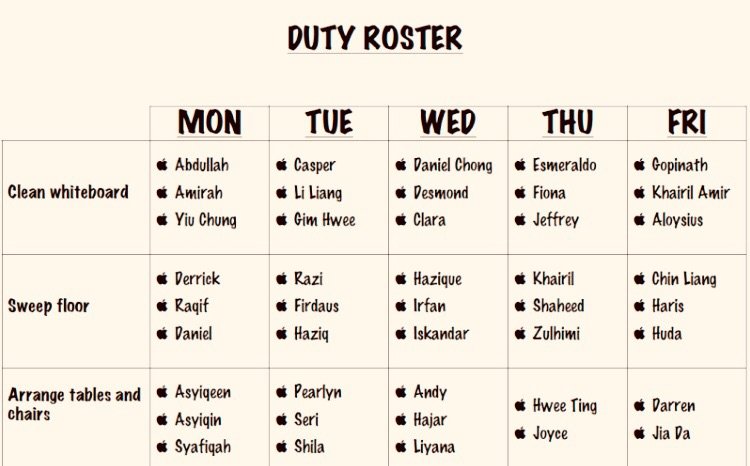
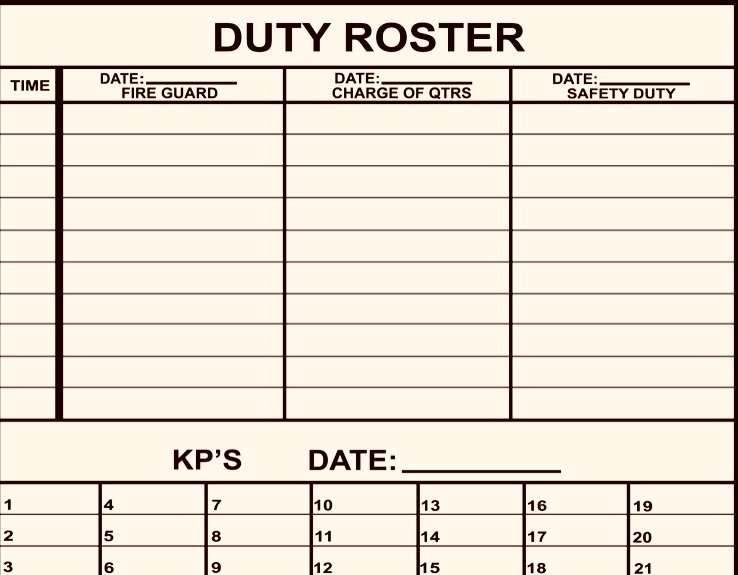
Hospital Nursing Duty Roster Sample

0

In hospitals, effective management of nursing staff is crucial for providing quality patient care. A nursing duty roster, or schedule, means the shifts and responsibilities of the nurses.

We want to explore by discussing in detail the components, importance, and challenges of creating nursing duty rosters, along with a sample roster to illustrate the concepts discussed.

Components of a Nursing Duty Roster

  1. Staffing Levels: This determines the number of nurses needed for each shift based on patient acuity, department needs, and hospital policies. It also depends on the size of the hospital.
  2. Shift Types: The common shift types include:
    • Day Shift: Typically runs from 7 AM to 3 PM.
    • Evening Shift: Generally from 3 PM to 11 PM (or 9 PM, in areas where there are security challenges).
    • Night Shift: Usually from 11 PM to 7 AM.
  3. Rotation Patterns: This means how nurses will rotate between shifts to ensure fairness and adequate rest because it is not one-man work. Common patterns in recent times include:
    • Fixed Scheduling: This is when Nurses stick to a specific shift for a set period.
    • Rotating Scheduling: In this, the Nurses switch shifts on a regular basis.
  4. Days Off: This is the most interesting part for Nurses. Nurses don’t go to work on their off days, rather they plan for adequate time to rest from shifts to prevent burnout and fatigue. Some Nurses also request time off if perhaps they are down with sickness or have an emergency. Until it is granted they can since it is not their off days.
  5. Specialization and Skills: Always align your shifts with the specialized other skilled nurses, ensuring that critical areas are staffed with qualified personnel.
  6. Legal and Union Considerations: As a Nurse, you must ensure compliance with labor laws, union agreements, and hospital policies regarding work hours and overtime.

Purpose of a Nursing Duty Roster

There are many important of running a shift in the hospital.

  • Patient Care: When a well-structured roster is done, it ensures that there are enough nurses on duty to meet patient needs, thus enhancing care quality and safety.
  • Staff Satisfaction: This means that as a nurse, scheduling can improve nurse morale and retention, reducing turnover and maintaining experienced staff.
  • Operational Efficiency: When a roster is properly managed, it helps minimize overtime costs and staffing shortages, ensuring smooth hospital operations.
  • Regulatory Compliance: Roster helps you to adhere to legal and ethical standards in staffing practices and protects the hospital from legal issues.

Challenges in Creating Nursing Duty Rosters

  1. High Demand Fluctuations: Sometimes, the number of patients on admissions can vary significantly, making it challenging to predict staffing needs accurately.
  2. Staff Preferences: It may be difficult to balance personal requests and preferences with hospital needs.
  3. Skill Mix: Sometimes, we find it so difficult to ensure a balanced mix of skills across shifts, especially in specialized departments.
  4. Work-Life Balance: Also, Nurses often face difficulties in achieving a work-life balance due to demanding schedules.
  5. Emergency Situations: Unforeseen circumstances, such as illness or emergencies, can disrupt planned rosters, requiring quick adjustments.

Sample Of Nursing Duty Roster

Below is a sample weekly nursing duty roster for a hospital’s medical-surgical unit:Nurse NameMonTueWedThuFriSatSunNurse ADayDayOffNightNightDayOffNurse BNightNightDayDayOffNightDayNurse COffDayNightOffDayDayNightNurse DDayOffDayNightNightOffDayNurse ENightDayOffDayDayNightOff

Nursing Duty Roster

Key:

  • Day: 7 AM – 3 PM
  • Night: 11 PM – 7 AM
  • Off: Day off

The Importance of Professional Attire for Nurses: A Guide to Dress Code and Footwear

In the healthcare environment, the attire of nurses plays a crucial role in both patient perception and professional conduct. As the Medical Director of our hospital, I believe that establishing clear guidelines on how nurses should dress—down to their footwear—is essential for maintaining a professional image, ensuring safety, and enhancing comfort during long shifts.

Why Dress Code Matters in Healthcare

  1. Professionalism and Trust: Nurses are always the first point of contact for patients. Therefore, Professional attire fosters trust and instills confidence. A well-groomed nurse in a neat uniform can significantly influence a patient’s comfort level.
  2. Safety and Hygiene: Healthcare settings demand high standards of hygiene and safety. Appropriate clothing can prevent the spread of infections and reduce the risk of accidents.
  3. Team Cohesion: Uniforms promote a sense of belonging and teamwork among nursing staff. When everyone adheres to the dress code, it enhances camaraderie and presents a unified front to patients and visitors.

Guidelines for Nursing Attire

1. Nursing Duty Uniforms

  • Style: Nurses should wear scrubs that are clean, well-fitted, and in line with the hospital’s color scheme. Scrubs should be devoid of excessive embellishments or inappropriate graphics.
  • Fabric: Opt for breathable, durable materials that can withstand frequent washing. Fabrics should be moisture-wicking to maintain comfort during long shifts.
  • Personalization: While some hospitals allow limited personalization (such as embroidered names), it’s essential to maintain a professional look.

2. Nursing Accessories

  • Jewelry: Minimal jewelry is preferred. Simple items like stud earrings and watches are acceptable, but long earrings or multiple rings can pose a safety risk.
  • Hygiene: Hair should be kept neat and pulled back if long. Nails should be kept short and clean; nail polish, if worn, should be conservative and free of chips.

Footwear Guidelines For Nurses

Choosing the right shoes is just as important as selecting the right uniform. Nurses spend long hours on their feet, making comfort and support critical.

1. Nursing Duty Shoes

  • Closed-Toe Shoes: Nurses should wear closed-toe shoes to protect against spills and accidental drops. Shoes should have a non-slip sole to prevent slips and falls in busy environments.
  • Sneakers and Clogs: Comfortable sneakers or clogs designed for healthcare professionals are ideal. Look for styles that provide arch support and cushioning.

2. Nurses Comfort and Fit

  • Proper Fit: Shoes must fit well, with enough room for movement. Ill-fitting shoes can lead to discomfort and long-term foot problems.
  • Break-In Period: Nurses should break in new shoes before wearing them for long shifts to prevent blisters and foot fatigue.

3. Aesthetic Considerations For Nurses

  • Color Coordination: Footwear should complement the uniform. While comfort is paramount, ensuring shoes maintain a professional appearance is also essential.

Why Choose the College of Nursing Mbano For 2025 Admissions

0

Where is the College of Nursing Mbano located?

The College of Nursing Mbano is an esteemed institution dedicated to training the next generation of nursing professionals in Nigeria. Located in Imo State, the college offers a robust curriculum designed to equip students with the necessary skills and knowledge to excel in the healthcare field. We will be delving into the college’s history, programs, facilities, admission requirements, and its impact on nursing education in Nigeria.

When did the College of Nursing Mbano start?

Established in [1983], the College of Nursing Mbano has a rich history of contributing to nursing education and healthcare in the region. College of Nursing Sciences Mbano commenced as a School of Nursing in 1983 under the proprietorship of the then Catholic Bishop of Okigwe Diocese, Most Rev. Dr. Anthony Ilonu., with Rev. Sr. Mary Thomas Anyanwu, IHM, as the pioneer Principal. To the glory of God, in Nov 2019, the institution transmuted into a College of Nursing Sciences. Till date, the institution runs as a private tertiary institution, under the management of the Sisters of the Immaculate Heart of Mary, Mother of Christ, Nigeria, with Rev. Sr. Dr. Mary Laurette Madu, as the incumbent Provost.

The institution was founded with the vision of providing high-quality nursing training that meets both national and international standards. Over the years, it has evolved to incorporate modern teaching methods and technologies, ensuring that graduates are well-prepared for the demands of the healthcare industry.

College of Nursing Mbano Academic Programs

Nursing Diploma Program

The flagship program of the College of Nursing Mbano is the Nursing Diploma program. This comprehensive course typically spans three years and covers various nursing disciplines, including:

  • Fundamentals of Nursing: Introduction to basic nursing practices and patient care.
  • Medical-Surgical Nursing: Focus on adult patients with various medical conditions.
  • Pediatric Nursing: Specialized care for infants and children.
  • Mental Health Nursing: Understanding and managing mental health disorders.

Postgraduate Programs

In addition to the diploma program, the College of Nursing Mbano also offers postgraduate training for registered nurses seeking to advance their education and expertise in specialized areas such as:

  • Community Health Nursing
  • Nurse Midwifery
  • Nursing Education

Continuing Education

The college also provides continuing education programs for practicing nurses to keep them updated with the latest practices, technologies, and regulations in the healthcare sector.

College of Nursing Mbano Admission Requirements

To gain admission into the College of Nursing Mbano, prospective students must meet specific requirements:

  • Educational Qualifications: Candidates should possess at least five O’Level credits, including Mathematics, English Language, Biology, Physics, and Chemistry.
  • Entrance Examination: Applicants are required to take an entrance examination that assesses their knowledge and aptitude for nursing.
  • Interview: Successful candidates from the entrance examination may be invited for an interview.

Application Process

The application process typically begins in [insert months], and candidates are encouraged to check the official college website for updates and detailed instructions.

Facilities

The College of Nursing Mbano is equipped with modern facilities designed to enhance the learning experience:

  • Simulation Labs: These labs are equipped with high-fidelity mannequins and advanced medical equipment, allowing students to practice clinical skills in a controlled environment.
  • Library: A well-stocked library with a vast collection of nursing textbooks, journals, and digital resources supports students’ research and learning needs.
  • Clinical Placement: The college has partnerships with various hospitals and healthcare facilities, providing students with hands-on clinical experience essential for their training.

Community Engagement and Impact

The College of Nursing Mbano actively engages in community health initiatives, offering outreach programs that focus on health education, disease prevention, and wellness promotion. This commitment to community service not only enhances students’ practical skills but also instills a sense of responsibility and compassion in future nurses.

Career Opportunities for Graduates

Graduates from the College of Nursing Mbano are well-positioned for various career paths within the healthcare sector. Some potential career options include:

  • Registered Nurse
  • Nurse Educator
  • Nurse Practitioner
  • Community Health Nurse
  • Healthcare Administrator

Why Choose College of Nursing Mbano?

The College of Nursing Mbano stands as a pillar of nursing education in Nigeria, offering comprehensive programs that prepare students for successful careers in healthcare. With a commitment to excellence and community service, the college continues to play a vital role in shaping the future of nursing in the region. For prospective students, the College of Nursing Mbano represents a significant step towards a rewarding career dedicated to improving the health and well-being of individuals and communities.

The institution is adequately staffed in line with regulations of NMCN, WAHEB and NBTE.

The college boasts of adequate hostel accommodation for male and female students, transport facility and modern security facility.

A standard Basic Science Laboratory, a well equipped library, with an e-library unit; a well Equipped ICT unit (opened to the general public), indoor and outdoor recreational facilities.

College of Nursing Sciences Mbano established an in-service training policy, thereby encouraging continuous academic development for faculty members who are running post graduate programmes and sponsors some of their training.

The Management of the College believes that the sky is not the limit, but the starting point of the quality education and clinical skills she wishes her students to acquire while in training. It is in line with this vision that the College wishes to collaborate with some foreign universities for further training and exposure to ensure proficient and polyvalent nurses and midwife on graduation.

For more information on admission procedures, course offerings, and campus life, visit the official website of the College of Nursing Mbano or contact the admissions office directly. Embark on your nursing journey today!

Is the College of Nursing Mbano accredited?

Yes. It was accredited in the year 2018.

How much is the College of Nursing Mbano admission form?

It depends on the year and the condition of the country. There is no fixed price. Check for the cost of the last admission form.

Is there any College of Nursing in Imo State?

Yes. College of Nursing Mbano

Is the College of Nursing Mbano private?

Partially. In recent times, the College of Nursing Mbano has been affiliated with Imo State University (IMSU).

College of Nursing Mbano Examination Past Questions

If you can, visit the School to get the past questions from the existing students. Better still, check back here when we must have uploaded them.

College of Nursing Mbano School Fees

We shall upload the current school fees when we receive it.

SALE OF ONLINE APPLICATION FORMS FOR ADMISSION INTO UNIABUJA CONVERSION DEGREE PROGRAMME FOR THE 2024/2025 ACADEMIC SESSION

Applications are invited from suitably qualified candidates for admission into the UniAbuja Conversion Degree Programme (CDP) for the 2024/2025. Academic Session. The programme is aimed at creating opportunity for applicants in these category of degree classifications: HND, Bachelor’s Degree in Third-Class and Pass grades.
It is also aimed at addressing the problem of dichotomy to convert/upgrade their certificates into the generally acceptable degree with good academic standing for personal development and self-fulfillment by averting any stagnation and other unfavourable managerial decision outcomes in work places that such academic deficiencies may have posed.
The Available Programmes are as follows:
A – Faculty of Engineering:

  1. Mechanical Engineering
  2. Electrical/Electronic Engineering
  3. Civil Engineering
  4. Chemical Engineering
    B – Faculty of Management Sciences:
  5. B.Sc. Accounting
  6. B. Sc. Banking and Finance
  7. B. Sc. Business Administration
  8. B. Sc. Public Administration
    C- Faculty of Arts:
  9. B.A. Theatre Arts
  10. B.A. History & Diplomatic Studies
  11. B.A. English
  12. B.A English Literature
  13. B.A Linguistics
  14. B.A Arabic
  15. B.A Christian Religious Studies
  16. B.A Islamic Studies
  17. B.A Philosophy
    D – Faculty of Social Science:
  18. B.Sc. Economics
  19. B.Sc. Political Science & International Relations
  20. B. Sc. Sociology
  21. B. Sc. Geography
    E – Faculty of Agriculture:
  22. B. Agric. Animal Science
  23. B. Agric. Agric. Economics
  24. B. Agric. Agric. Extension and Rural Sociology
  25. B. Agric. Agronomy
  26. B. Agric. Soil Science
  27. B. Agric. Crop Protection
    F – Faculty of Education:
  28. B. Sc. Ed. Agric. Science
  29. B. Sc. Ed. Chemistry
  30. B. Sc. Ed. Physics
  31. B. Sc. Ed. Mathematics
  32. B. Ed. Social Studies
  33. B.A Ed. Islamic Studies
  34. B.A Ed. Christian Religious Studies
  35. B. Ed. Guidance and Counseling
  36. B. Ed. Admin and Planning
  37. B.Sc. Ed. Economics
  38. B.Sc. Ed. Environmental Science
  39. B.Sc. Ed. Biology
  40. B. Ed. Primary Education Studies
  41. B. LS. Library Science
  42. B.Sc. Ed. Geography
  43. B.A Ed. English
  44. B.A Ed. History
    F – Faculty of Science:
  45. B.Sc. Biological Science
  46. B.Sc. Micro-biology
  47. B.Sc. Mathematics
  48. B.Sc. Statistics
  49. B.Sc. Computer Science
  50. B.Sc. Chemistry
  51. B.Sc. Industrial Chemistry
  52. B.Sc. Botany
  53. B.Sc. Biochemistry
  54. B.Sc. Zoology
  55. B.Sc. Geology
    F – Faculty of Nursing & Allied Health Sciences:
  56. B.NSc Nursing Science
    G. Admission Requirements:
    Applicants seeking admission into the specified Bachelor’s Degree Conversion programmes of the Centre for Distance Learning and Continuing Education of the University of Abuja must possess any of the following requirements:
    i. A minimum of five credit passes including English
    and Mathematics obtained at not more than two (2) sittings in the relevant subjects from any recognized examination bodies such as SSCE/WASC, GCE ‘O’ Level, NECO, NABTEB or TC II.
    ii. Two’ A’ Level passes with a minimum of five ‘O’ level credit passes in relevant subjects.
    iii. Applicants who gained admission and graduated from a recognized University or Polytechnic through Direct Entry (DE), must have at least four (4) credit passes including English Language and Mathematics in SSCE/NECO or NAPTEB in not more than two sittings and at least two passes in ‘A’ level G.C.E or Diploma at Upper Credit level or 10 points in Interim Joint Matriculation Board (IJMB). NCE holders with a minimum of ten points pass obtained from a recognized institution in addition to five (5) ‘O’ level credit passes as in (i) above can also be considered.
    Applicants must be holders of either Higher National Degree (HND) Certificate with a minimum of Lower Credit or a Bachelor’s Degree with a minimum of pass degree in a related discipline from a recognized University/Polytechnic.
    I. Method of Application:
    Prospective candidates are requested to process their admission through JAMB e-facility platform to register after which applicants can be seen on the institution’s CAPS dashboard for admission processing before proceeding to apply with JAMB Registration number online via CDL&CE Portal:
  57. Visit: www.cdlce.uniabuja.edu.ng
  58. Click on CLICK HERE TO APPLY to read Admission Requirements
    3.
    4.
    Indicate the mode of Study PART-TIME OR ODL OR Bachelor’s Degree Conversion Programme Click on APPLY button to commence Application
    5.
    Other name, Email, and Phone Number). These steps require you having a valid email address. You may need to open one if you do not have already.
  59. On the payment preview page, click on Generate RRR
  60. Click make payment and you will be redirected to remita platform, enter your card details (Master Card or Visa Card)
  61. After a successful payment, you will be redirected to the portal and application number generated. You will be logged out accordingly Click on “Main Login”, enter the generated application number and surname as the password to continue the application process
    J. Application Fee:
    Application forms shall be purchased at the cost of Twenty Thousand Naira (₦20,000) only through the REMITA platform excluding bank charges.
    K. Mode of School Fees Payment:
    We have mixed mode of payment of school fees:
    Fill your Biodata thus: (Surname, First name,

    i.
    ii.
    Enjoy total access to all academic privileges by paying full tuition fees (100%)
    Explore the privilege of paying 60/40% fees ratio.
    Applicants are expected to check their e-mail and message boxes from time to time for information and update regarding their applications.
    Note: For further enquiries, please call the following GSM numbers: 07033974306
    Signed
    Mal. Yahya I. Mohammed

13 Schools Of Nursing In Abuja

0

List of Schools of Nursing in Abuja

  • Queen Elizabeth School of Nursing, Abuja
  • FCT School of Nursing Gwagwalada
  • Yagongwo College of Nursing and Midwifery, Kuje Abuja
  • FCT College of Nursing Sciences, Gwagwalada
  • School of Nursing UATH 
  • School of Nursing, National Hospital Abuja
  • Gwarimpa School of Nursing
  • Wuse General Hospital School of Nursing
  • Department. of Nursing Science, University of Abuja 
  • Department of Nursing Science, Baze University
  • Asokoro District Hospital School of Nursing
  • Department of Nursing, Veritas University
  • Nigerian Turkish Nile University School of Nursing
  • Department of Nursing, National Open University

We shall briefly discuss each of the schools above:

1. Nigerian Turkish Nile University School of Nursing

The Nigerian Turkish Nile University School of Nursing offers a unique educational experience, blending international standards with local needs. It’s a solid choice for those seeking a globally recognized nursing qualification.

Address: Plot 681, Cadastral Zone C-OO, Research & Institution Area, Jabi Airport Bypass, Abuja FCT

Website: www.nileuniversity.edu.ng

2. Department of Nursing, National Open University

The National Open University of Nigeria provides flexible nursing education options through its Department of Nursing. This is ideal for individuals who require a more adaptable learning schedule.

Address: University Village, Plot 91, Cadastral Zone, Nnamdi Azikiwe Expressway, Jabi, Abuja.

Email: nounmedia1@gmail.com

Website: www.nou.edu.ng

Instagram: @openuniversitynigeria

3. Department of Nursing, Veritas University

Veritas University offers a robust nursing program through its Department of Nursing, emphasizing both theoretical knowledge and practical skills. The program is designed to produce competent nursing professionals.

Address: Veritas University, Bwari, Abuja, Nigeria

Instagram: @officialveritasuniversity

Website: www.veritas.edu.ng

4. Department of Nursing Science, Baze University

Baze University’s Department of Nursing Science provides a modern approach to nursing education, with a focus on innovative teaching methods and comprehensive clinical practice.

Address: Plot 686 Cadastral Zone, Behind National Judicial Institute, Kuchigoro, Jabi, Abuja.

Email: inquiries@bazeuniversity.edu.ng

Instagram: @bazeuni_abuja

Website: www.bazeuniversity.edu.ng

5. Department of Nursing Science, University of Abuja

The Department of Nursing Science at the University of Abuja offers undergraduate and postgraduate programs in nursing. It’s an excellent option for those pursuing higher education and research in nursing.

Address: University of Abuja, PMB 117, Giri, Airport Road, Abuja.

Instagram: @uniabuja_nursing_allied_health

Website: www.uniabuja.edu.ng/faculties

6. School of Nursing, National Hospital Abuja

The School of Nursing at the National Hospital Abuja is known for its rigorous training programs and state-of-the-art facilities. It prepares students for a wide range of nursing roles in various healthcare settings.

Address: Plot 132 Central District (Phase II) P.M.B, Garki-Abuja

Email: contact@nationalhospital.gov.ng

Facebook: National Hospital Abuja 

Website: www.nationalhospital.gov.ng

7. School of Nursing, University of Abuja Teaching Hospital (UATH)

Affiliated with the University of Abuja, Teaching Hospital. This school provides advanced nursing education and clinical training. It’s a great choice for those seeking a blend of academic learning and hands-on experience.

Address: Gwagwalada, P.M.B. 228, Abuja NIGERIA

Email: info@uath.gov.ng

Facebook: University of Abuja Teaching Hospital, Gwagwalada 

Website: www.uathospital.ng

8. Yagongwo College of Nursing and Midwifery, Kuje Abuja

This college is one of the best training institution for producing professional registered nurses, registered midwives, ND & HND in nursing sciences. The College is already accredited.

Address: Kango road Kuje Abuja , Kuje, Nigeria

Phone: 0803 994 5504

Email: ycnmw22@gmail.com

Facebook: Yagongwo College of Nursing and Midwifery, Kuje Abuja

9. FCT School of Nursing, Gwagwalada

Overview: The FCT School of Nursing in Gwagwalada offers a robust nursing curriculum designed to equip students with practical skills and theoretical knowledge. The school is known for its emphasis on clinical training and professional development.

Address: FCT College of Nursing Sciences, Gwagwalada-Abuja

Website: www.consap.fcthhss.abj.gov.ng

Facebook: FCT Schools of Nursing and Midwifery

10. Queen Elizabeth School of Nursing, Abuja

Queen Elizabeth School of Nursing is renowned for its comprehensive nursing programs and commitment to excellence in healthcare education. The school provides both foundational and advanced training, preparing students for various nursing roles.

Address: 23 Ibrahim Waziri Crescent Apo Abuja Rd, Gudu, Apo, Abuja

Email: queenelizabethschoolofnursing@gmail.com

Facebook: Queen Elizabeth School of Nursing

11. Asokoro District Hospital School of Nursing

Asokoro District Hospital School of Nursing is an accredited public nursing school that offers a 3-year Nursing Program for the award of a Registered Nurse Certificate. Admission requirements include credits in English, Chemistry, Mathematics, Biology and Physics.

12. Gwarimpa School of Nursing

This school provides a 3-year RN program. Admission requires 5 credits in the required science subjects at WASSCE or NECO.

13. Wuse General Hospital School of Nursing

This school offers a 3-year RN program. Candidates must have 5 credits in the mandatory science subjects such as English Language, Physics, Biology, Chemistry, and Mathematics at WASSCE or NECO.

Top 5 Private Nursing Schools in Abuja

Are you looking to pursue a career in nursing, Abuja is one of the places where you can see some of the top private nursing schools in Nigeria. Below is the top 5 private nursing schools to consider in Abuja:

The University of Abuja School of Nursing Science which is located in Gwagwalada is one of the most popular nursing schools in Abuja. People from different states come to school to study. They offer BSc Nursing, Post Basic Nursing, and Ph.D. in Nursing programs. Admission into the BSc Nursing program requires 5 credits in English Language, Mathematics, Physics, Chemistry and Biology at SSCE.

The National Open University of Nigeria (NOUN) School of Health Sciences in Jabi, Abuja offers BSc Nursing and Post Basic Nursing programs. To gain admission into the BSc Nursing program, you need 5 credits in SSCE including English, Mathematics, Physics, Chemistry, and Biology.

The African University of Science and Technology Nursing School in Gwagwalada, Abuja provides high quality nursing education and training. It offers BSc Nursing, MSc Nursing, and Post Basic Nursing programs. Admission into the undergraduate nursing program requires 5 credits at SSCE in English, Mathematics, Physics, Chemistry and Biology.

The University of Abuja Teaching Hospital School of Post Basic Nursing Studies located within the University of Abuja Teaching Hospital in Gwagwalada, Abuja. It offers Post Basic Nursing program. To gain admission, you need to have a Registered Nurse Certificate and a minimum of one year post-qualification experience.

The National Hospital Abuja School of Post-Basic Midwifery Studies offers a basic Midwifery program. Admission into the program requires candidates to be registered Nurses with a minimum of one year of post-qualification experience. The program leads to the award of Post Basic Midwifery Certificate.

What Are Differences Between RN Vs BNS/BNSc

RN programs are shorter to complete and have lower qualifications compared to BNSc. It takes 3 years to complete an RN program, and 5 years to complete a BNSc program. If you already have an RN certificate, it will take you only 4 years to complete a BNSc program in Abuja and Nigeria as a Nation. 

Any registered nurse with or without a BSN has passed the National Council Licensure Examination (NCLEX) exam and obtained nursing licensure. The distinguishing difference between a BSN nurse and an RN is that BSNs hold a bachelor’s degree in nursing while RNs have an associate degree.

BNSc degree holders are more qualified and have more advanced training than RN programs and can carry out more complex types of patient care and nursing functions. Nurses holding a bachelor’s degree in nursing typically earn higher salaries than RN holders.

Read Also: 11 Top Schools Of Nursing in Abia State

13 Top Schools of Nursing in Imo State

School of Nursing in Kano State

7 School of Nursing in Lagos

Unilag Nursing Cut Off Marks For 2025/2026

4

The University of Lagos (UNILAG) is one of Nigeria’s premier institutions, renowned for its academic excellence and vibrant campus life. Among its diverse programs, the Nursing Sciences department stands out, attracting aspiring nurses from across the nation. This article provides an in-depth look at the Nursing Sciences program at UNILAG, highlighting its curriculum, admission requirements, career opportunities, and why it’s a top choice for nursing students.

Overview of the Nursing Sciences Program

The Nursing Sciences program at UNILAG is designed to equip students with the essential knowledge and practical skills needed to excel in the nursing profession. The program emphasizes both theoretical foundations and clinical practice, ensuring that graduates are well-prepared to meet the healthcare needs of the community.

Curriculum Highlights

The curriculum covers a wide range of subjects, including:

  • Anatomy and Physiology: Understanding the human body is crucial for effective nursing care.
  • Microbiology and Pharmacology: These courses prepare students to handle infections and medications safely.
  • Community Health Nursing: Focused on preventive care, this area addresses public health challenges.
  • Nursing Ethics and Leadership: Essential for developing professional conduct and management skills.

Students also engage in clinical rotations, gaining hands-on experience in various healthcare settings.

Admission Requirements

To gain admission into the Nursing Sciences program at UNILAG, applicants must meet specific criteria:

  1. O’Level Requirements: Candidates must have at least five credit passes in relevant subjects, including Biology, Chemistry, Physics, Mathematics, and English.
  2. JAMB Cut-off Mark: A minimum score of 200 is typically required in the Joint Admissions and Matriculation Board (JAMB) examination.
  3. Post-UTME Screening: Applicants must participate in the Post-UTME screening organized by the university.
  4. Interview: Successful candidates may also undergo an interview to assess their suitability for the program.

Career Opportunities

Graduates of the Nursing Sciences program at UNILAG have a wealth of career opportunities available to them, including:

  • Clinical Nurse: Providing patient care in hospitals and healthcare facilities.
  • Nurse Educator: Teaching future nurses in academic institutions.
  • Public Health Nurse: Working on community health initiatives and programs.
  • Research Nurse: Engaging in clinical research to advance nursing practices.

With the increasing demand for healthcare professionals in Nigeria and beyond, nursing graduates are well-positioned for a fulfilling career.

Why Choose UNILAG for Nursing Sciences?

  1. Reputation: UNILAG is one of Nigeria’s leading universities, known for its quality education and research.
  2. Experienced Faculty: The Nursing Sciences department boasts a team of qualified and experienced instructors dedicated to student success.
  3. State-of-the-Art Facilities: The university provides modern facilities and resources that enhance learning and practical training.
  4. Networking Opportunities: Being part of a prestigious institution allows students to connect with industry leaders and potential employers.

Unilag Nursing Jamb Cut Off Mark

The cut-off mark for the Nursing Sciences program at the University of Lagos (UNILAG) is typically 200 in the JAMB examination.

Unilag Nursing Requirements

Meet O’Level Requirements: Ensure you have at least five credit passes in subjects like Biology, Chemistry, Physics, Mathematics, and English.

Register for JAMB: Take the Joint Admissions and Matriculation Board (JAMB) examination and aim for a minimum score of 200.

Post-UTME Screening: After passing JAMB, you must participate in UNILAG’s Post-UTME screening process, which may include an exam and/or an interview.

Application Form: Complete the university’s online application form during the admissions window, which is typically announced on their official website.

Wait for Admission List: After the screening process, check for the release of the admission list on the university’s website.

Unilag Nursing School Fees For 2024/2025

There’s no specific Unilag Nursing School fees at the moment because some schools have increased their tuition fees.

Although, the University of Lagos, nursing school fees are usually paid through the university’s designated payment portal in every session which is subjected to change . Here’s a general guide on how to know the current amount and possibly make your payment:

  1. Access the Portal: Go to the UNILAG official website and navigate to the students’ portal.
  2. Login: Use your registration details to log in. If you’re a new student, you may need to create an account.
  3. Select Fees Payment: Look for the section on fees payment and select the Nursing Sciences program.
  4. Payment Options: Choose your preferred payment method. Options often include bank transfer, card payment, or payment at designated banks.
  5. Print Payment Receipt: After completing the transaction, ensure you print the payment receipt for your records.
  6. Submit Documentation: Depending on the instructions, you may need to submit your payment receipt along with other registration documents.

How Many Years Is Nursing In Unilag

The Nursing Sciences program at Unilag is usually five years for undergraduate students. This includes both your classroom instruction and clinical training.

Course Structure for Nursing Sciences at Unilag

Year 1: Foundation Year

  • Basic Sciences: Introduction to Biology, Chemistry, and Physics.
  • Nursing Fundamentals: Introduction to nursing practice, ethics, and communication skills.

Year 2: Core Nursing Courses

  • Anatomy and Physiology: Understanding the human body systems.
  • Microbiology: Basics of infection control and microbiological principles.
  • Pharmacology: Introduction to drug classifications and nursing implications.

Year 3: Advanced Nursing Practices

  • Community Health Nursing: Focus on public health and preventive care.
  • Mental Health Nursing: Understanding psychological health and illness.
  • Medical-Surgical Nursing: Care of patients with various health conditions.

Year 4: Specialization and Clinical Practice

  • Child Health Nursing: Care of infants and children.
  • Geriatric Nursing: Focus on elderly care.
  • Research Methods in Nursing: Basics of nursing research and evidence-based practice.

Year 5: Capstone and Clinical Experience

  • Leadership and Management in Nursing: Preparing for roles in nursing management.
  • Comprehensive Clinical Practice: Intensive clinical rotations in various specialties.
  • Final Year Project: Research project on a nursing-related topic.

Additional Components

  • Clinical Rotations: Throughout the program, students participate in clinical rotations to gain hands-on experience in hospitals and healthcare facilities.
  • Workshops and Seminars: Regular workshops to enhance practical skills and knowledge in specialized area

Unilag Jamb Cut Off Marks For Other Courses

ACCOUNTANCY/ACCOUNTING – 200

ACTUARIAL SCIENCE – 200 ADULT

EDUCATION – 200 ARCHITECTURE – 200

BANKING AND FINANCE – 200

BIOCHEMISTRY – 200 BIOLOGY – 200

BIOMEDICAL ENGINEERING – 200

BOTANY – 200

BUILDING – 200

BUSINESS ADMINISTRATION – 200

BUSINESS EDUCATION – 200

CELL BIOLOGY & GENETICS – 200

CHEMICAL ENGINEERING – 200

CHEMISTRY – 200

CHINESE STUDIES – 200

CHRISTIAN RELIGIOUS STUDIES – 200

CIVIL ENGINEERING – 200

COMPUTER ENGINEERING – 200

COMPUTER SCIENCE – 200

CREATIVE ARTS – 200

DENTISTRY AND DENTAL SURGERY – 200

EARLY CHILDHOOD EDUCATION – 200

ECONOMICS – 200

EDUCATION AND BIOLOGY – 200

EDUCATION AND CHEMISTRY – 200

EDUCATION AND CHRISTIAN RELIGIOUS STUDIES – 200

EDUCATION AND ECONOMICS – 200

EDUCATION AND ENGLISH LANGUAGE – 200

EDUCATION AND FRENCH – 200

EDUCATION AND GEOGRAPHY – 200

EDUCATION AND HISTORY – 200

EDUCATION AND IGBO – 200

EDUCATION AND INTEGRATED SCIENCE – 200

EDUCATION AND ISLAMIC STUDIES – 200

EDUCATION AND MATHEMATICS – 200

EDUCATION AND PHYSICS – 200

EDUCATION AND YORUBA – 200

EDUCATIONAL ADMINISTRATION – 200

ELECTRICAL/ELECTRONICS ENGINEERING – 200

ENGLISH LANGUAGE – 200

ESTATE MANAGEMENT – 200

FINANCE – 200 FISHERIES – 200

FISHERIES MANAGEMENT – 200

FRENCH – 200

GEOGRAPHY – 200

GEOLOGY – 200

GEOPHYSICS – 200

GUIDANCE AND COUNSELLING – 200

HEALTH EDUCATION – 200

HISTORY AND STRATEGIC STUDIES – 200

HOME ECONOMICS AND EDUCATION – 200

HUMAN KINETICS – 200

IGBO – 200

INDUSTRIAL CHEMISTRY – 200

INDUSTRIAL MATHEMATICS – 200

INDUSTRIAL RELATIONS AND PERSONNEL MANAGEMENT – 200

INSURANCE – 200

ISLAMIC STUDIES – 200

LAW – 200

LINGUISTICS, IGBO AND OTHER AFRICAN LANGUAGES – 200

MARINE BIOLOGY – 200

MASS COMMUNICATION – 200

MATHEMATICS – 200

MECHANICAL ENGINEERING – 200

MEDICAL LABORATORY SCIENCE – 200

MEDICINE AND SURGERY – 200

METALLURGICAL AND MATERIAL ENGINEERING – 200

METEOROLOGY AND CLIMATE CHANGE – 200

MICROBIOLOGY – 200

NURSING/NURSING SCIENCE – 200

NURSING/NURSING SCIENCE – 200

PETROLEUM AND GAS ENGINEERING – 200

PHARMACOLOGY – 200

PHARMACY – 200

PHILOSOPHY – 200

PHYSICS – 200

PHYSIOLOGY – 200

PHYSIOTHERAPY – 200

POLITICAL SCIENCE – 200

PSYCHOLOGY – 200

QUANTITY SURVEYING – 200

RADIOGRAPHY – 200

RUSSIAN – 200

RUSSIAN WITH FRENCH/GERMAN – 200

SOCIAL WORK – 200 SOCIOLOGY – 200

STATISTICS – 200

SURVEYING AND GEOINFORMATICS – 200

SYSTEMS ENGINEERING – 200

TEACHER EDUCATION SCIENCE: – 200

TECHNICAL EDUCATION – 200

URBAN AND REGIONAL PLANNING – 200

YORUBA – 200

ZOOLOGY – 200


Nursing Jobs in Canada with Visa Sponsorship for Foreigners

0

Canada is increasingly recognized as a prime destination for foreign nurses seeking employment opportunities. With an aging population and a growing demand for healthcare services, the need for qualified nursing professionals has never been more critical. The Canadian government actively supports immigration pathways for healthcare workers, including nurses, through various programs that offer visa sponsorship. This initiative not only addresses labor shortages but also enhances the diversity and richness of the healthcare workforce in Canada.

For foreign Nurses, the prospect of working in Canada comes with numerous benefits, including competitive salaries, a high quality of life, and opportunities for professional development. However, navigating the immigration process can be complex. Understanding the requirements, skills needed, and potential salary expectations is essential for those considering this career move. This is aimed to provide you with a comprehensive overview of Nursing jobs in Canada that offer visa sponsorship for foreigners.

Entry-Level Skills and Experience Required

To qualify for Nursing jobs in Canada, you will typically need to possess a recognized Nursing degree and relevant clinical experience. Entry-level positions often require a Bachelor of Science in Nursing (BSN) or a diploma in nursing, alongside completion of the NCLEX-RN exam or the Canadian Registered Nurse Examination (CRNE).

Additionally, proficiency in English or French is crucial, as effective communication is key in healthcare settings. Many employers in Canada also seek candidates with strong interpersonal skills, adaptability, and a commitment to ongoing professional development.

Region with the Highest Payment Structure

  1. Alberta
    • Average Salary: $80,000 – $90,000 CAD
    • Known for high demand in urban centers like Calgary and Edmonton, offering competitive wages and benefits.
  2. British Columbia
    • Average Salary: $75,000 – $85,000 CAD
    • Vancouver leads with higher costs of living, but salaries are adjusted accordingly to attract skilled professionals.
  3. Ontario
    • Average Salary: $70,000 – $80,000 CAD
    • Toronto offers a vast job market and significant earning potential, especially in specialized fields.
  4. Nova Scotia
    • Average Salary: $65,000 – $75,000 CAD
    • Though lower than larger provinces, it offers a favorable work-life balance and community-focused care.
  5. Saskatchewan
    • Average Salary: $65,000 – $70,000 CAD
    • The province is experiencing growth in the healthcare sector, with opportunities for new graduates.

Salary Expectations for Immigrants

RegionAverage Salary (CAD)Alberta$80,000 – $90,000British Columbia$75,000 – $85,000Ontario$70,000 – $80,000Nova Scotia$65,000 – $75,000Saskatchewan$65,000 – $70,000

However, foreign Nurses considering a career in Canada can expect competitive salaries that vary by region, reflecting the demand for healthcare professionals. Alberta and British Columbia lead in salary potential, while provinces like Nova Scotia and Saskatchewan offer a balance of lower living costs and a supportive community. Understanding these dynamics can help immigrants make informed decisions about their career paths in Canadian healthcare.